If you have been searching for a smarter way to create content that actually ranks, free AI SEO content writing might be exactly what your strategy has been missing. Thousands of bloggers, small business owners, and digital marketers are already using AI writing tools to produce optimized, search-ready content — without a big budget or a full-time copywriter.
But there is a right way and a wrong way to do it. This guide breaks down the exact system behind effective free AI SEO content writing — from choosing the right keywords to building topical authority — so your content does more than exist online. It ranks, gets read, and drives real growth.
Introduction: The Promise and Problem of Free AI SEO Content Writing
The rise of artificial intelligence has fundamentally changed how content is created online. Today, small business owners, bloggers, and digital marketers can use free AI SEO content writing tools to generate full articles in minutes — without a copywriting budget or a large team.
At first glance, this seems like the ultimate solution. Publish more content, save hours, and cut the cost of hiring freelance writers. For businesses with limited resources, the appeal of free AI SEO content writing is very real.
But here is what most people quickly discover:
Publishing AI-generated content alone is not enough to rank on Google.
Despite using free AI SEO content writing tools, many websites still fail to generate meaningful organic traffic. Articles go unread. Pages sit invisible in search results. The expected growth never arrives – or it soon dies out.
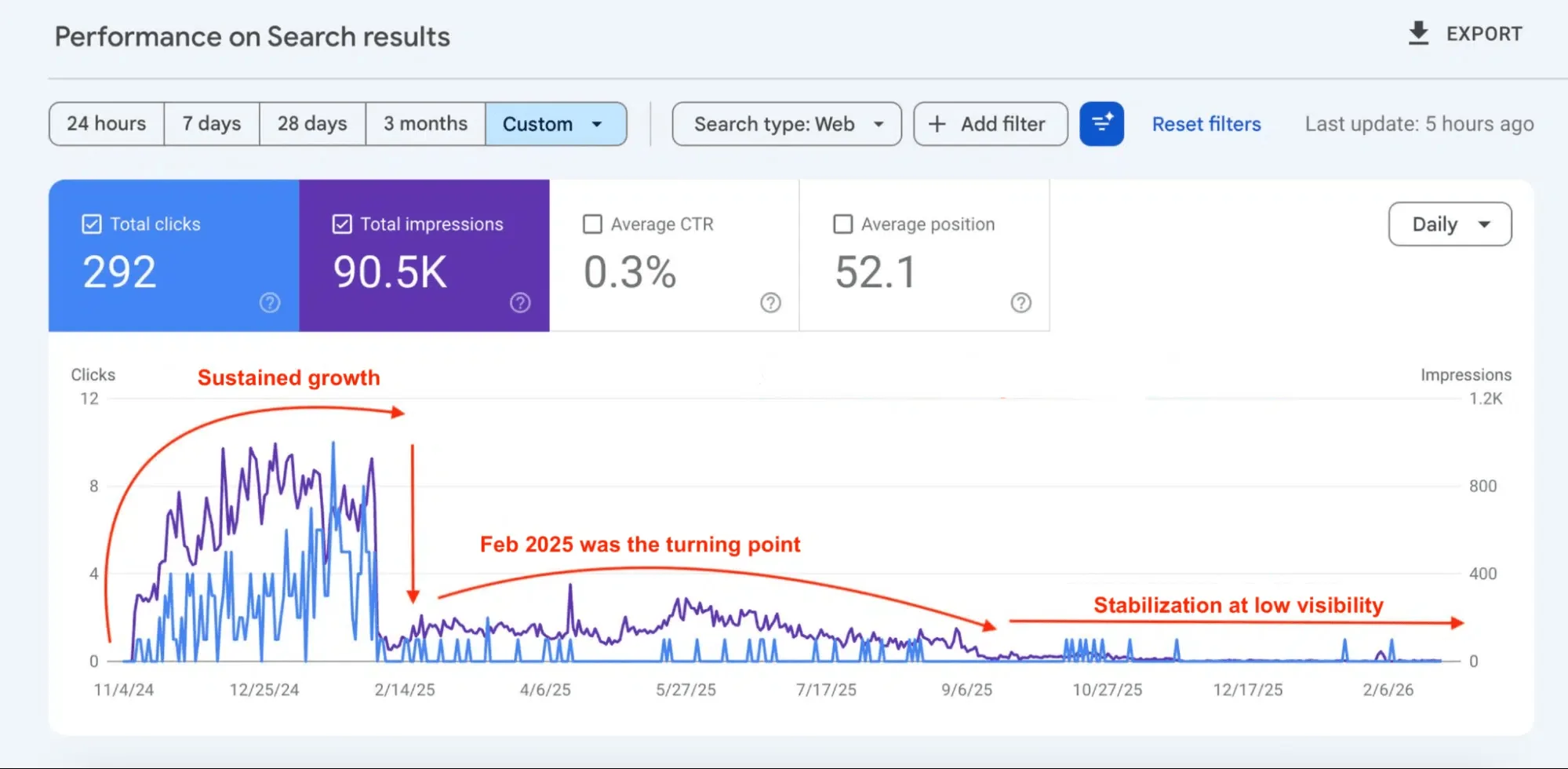
According to a 2023 study by Semrush, over 96% of all web pages receive zero organic traffic from Google. The difference between pages that rank and those that don’t rarely comes down to the writing itself — it comes down to strategy.
In this guide, you will learn:
-
-
- Why most AI-generated SEO content fails to rank
- What Google actually rewards in 2026 and beyond
- How to use free AI SEO content writing correctly, step by step
- How to build topical authority using content clusters
- How to transform raw AI output into content that drives real traffic
-
By the end, you will have a complete, repeatable system — not just a tool.
Why Most Free AI SEO Content Writing Fails to Rank
Before learning how to succeed, it is worth understanding exactly where most people go wrong with free AI SEO content writing.
AI Content Is Generic and Lacks Original Value
AI writing tools generate content by identifying patterns in large datasets of existing text. This allows them to produce readable, coherent articles quickly. But it creates a critical limitation: the output is almost always a synthesis of what already exists online.
Generic AI-generated content tends to:
-
-
-
- Repeat widely available information without adding depth
- Lack unique opinions, case studies, or first-hand examples
- Fail to demonstrate the Experience, Expertise, Authoritativeness, and Trustworthiness (E-E-A-T) that Google now evaluates
-
-
Google’s helpful content system is designed to reward content that delivers genuine value — not content that merely recycles what others have written. If your free AI SEO content writing doesn’t offer something original, it will struggle to stand out in the SERPs.
No Clear Keyword Strategy
Many users open an AI writing tool, type a topic, and publish whatever comes out. There is no target keyword. No intent analysis. No structure built around what users are actually searching for.
Effective free AI SEO content writing requires defining:
-
-
-
- A primary keyword (e.g., “free AI SEO content writing“)
- Semantic variations (e.g., “AI content writing for SEO,” “free AI writing tools for SEO“)
- Long-tail keyword targets for supporting articles in your content cluster
-
-
Without this foundation, search engines cannot clearly understand what your page is about — and they will not rank it.
Ignoring Search Intent
Search intent is what a user actually wants when they type a query. Someone searching for “free AI SEO content writing” may want a step-by-step guide, a list of tools, or a comparison of approaches.
If your content doesn’t match that intent — even if it is well-written — Google will not surface it. Aligning with search intent is non-negotiable in modern SEO.
Poor Structure and On-Page Optimization
AI-generated articles often lack proper heading hierarchy, keyword placement, and internal linking — all signals that help search engines understand and rank your content. Structure is not cosmetic. It is a core part of how Google reads your page.
No Topical Authority
Publishing one article on “free AI SEO content writing” and expecting it to rank is like opening a restaurant with a single item on the menu. Google prefers websites that demonstrate broad, deep expertise across a topic — not isolated posts.
What Google Actually Wants From SEO Content
To get results from free AI SEO content writing, your strategy must align with what search engines reward.
Search Intent Alignment
Every piece of content should be built around a specific user need. Before writing anything, ask: What is someone expecting to find when they search this keyword? Match that expectation precisely.
People-First, Helpful Content
Google’s helpful content guidelines are clear: content should be written for humans, not algorithms. That means clear language, actionable guidance, and real value — not keyword-stuffed filler.
Depth and Completeness
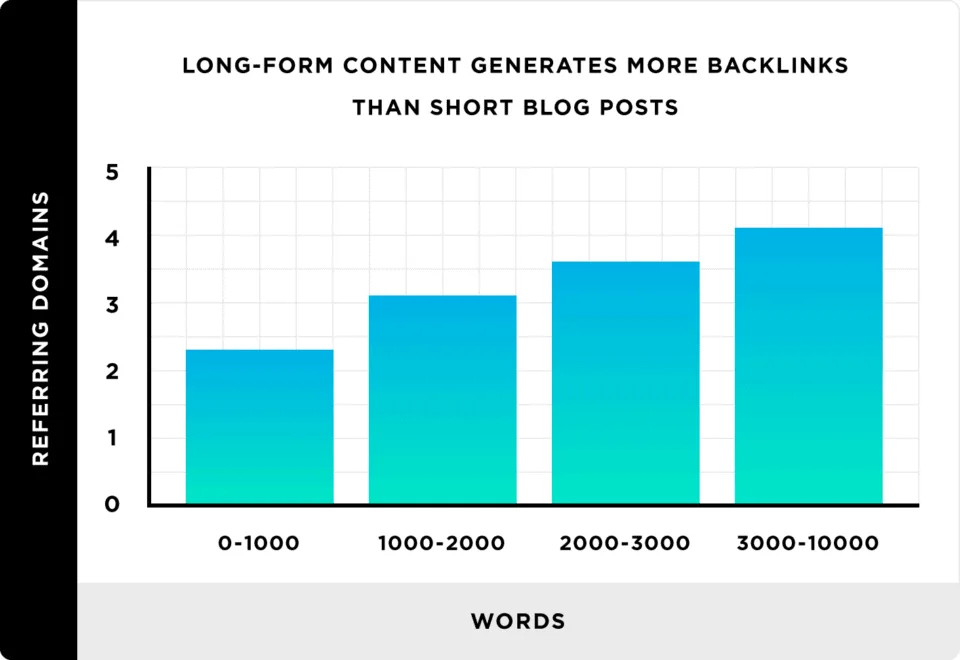
Research consistently shows that long-form content outperforms shorter articles. A Backlinko analysis of over one million Google search results found that the average first-page result contains 1,447 words. Comprehensive content that answers multiple related questions signals expertise and keeps users on the page longer.
E-E-A-T Signals
Google evaluates Experience, Expertise, Authoritativeness, and Trustworthiness across your content. Free AI SEO content writing can provide a strong structural foundation, but it needs human input — examples, data, opinion, and accuracy checks — to meet E-E-A-T standards.
Understanding Topical Authority and Content Clusters
One of the most powerful strategies in modern SEO is building topical authority through content clusters. This approach multiplies the impact of your free AI SEO content writing by creating a connected ecosystem of related articles.
What Is a Content Cluster?
A content cluster consists of three elements:
-
-
-
- A pillar article — a comprehensive guide on a broad topic (like this one)
- Cluster articles — focused posts on subtopics within that theme
- Internal links — connecting every cluster article back to the pillar and to each other
-
-
Example: Your pillar article targets “free AI SEO content writing.” Supporting cluster articles might cover “best free AI writing tools for bloggers,” “how to write SEO blog posts with AI,” “AI content vs. human content for SEO,” and “how to optimize AI content for Google.” Each article links to the others, reinforcing your authority on the topic as a whole.
Why Content Clusters Improve Rankings
When search engines crawl a site with a strong cluster structure, they can identify the depth of your expertise. Internal links distribute ranking signals across related pages. Users stay on your site longer as they navigate between connected articles. All of these factors contribute to stronger, more consistent rankings for your free AI SEO content writing.
How to Use Free AI SEO Content Writing to Rank: A Step-by-Step System
Step 1: Choose the Right Low-Competition Keywords
Start with keyword research before writing a single word. Target long-tail keywords that have meaningful search volume but lower competition — especially if your site is newer or has limited domain authority.
Example: Instead of targeting the broad phrase “AI content writing,” you might target “free AI SEO content writing for small businesses” or “how to use AI to write SEO blog posts for free.” These longer phrases attract more qualified traffic and are much easier to rank for early on.
Free tools like Google Search Console, Ubersuggest, or Google’s autocomplete and “People Also Ask” features are excellent starting points for identifying these opportunities.
Step 2: Analyze Search Intent Before You Write
Before generating any content, search your target keyword and study the top five results. Ask yourself:
-
-
-
- Is the content a guide, a list, a comparison, or a definition?
- How long are the top-ranking articles?
- What headings and subtopics do they cover?
-
-
Example: If every top result for your keyword is a step-by-step how-to guide, your free AI SEO content writing should follow the same format — not a product comparison or an opinion piece. Matching intent is one of the highest-leverage SEO decisions you can make.
Step 3: Generate a Structured Draft Using AI
Use your AI writing tool to produce a structured first draft — not a finished article. Treat the AI output as a detailed outline with fleshed-out sections, not as final copy.
Example prompt: “Write a comprehensive guide on how to use free AI SEO content writing to rank on Google. Include sections on common mistakes, what Google looks for, a step-by-step process, and FAQs. Use subheadings throughout.”
Generating section by section — rather than requesting the full article at once — gives you more control over quality and depth.
Step 4: Edit, Enhance, and Add Original Value
This is the most important step in the entire process. Raw AI output must be improved before publishing. This is where your free AI SEO content writing becomes genuinely competitive.
Enhance the draft by:
-
-
-
- Adding real examples, statistics, or case studies
- Inserting your own experience or opinion where relevant
- Removing vague or repetitive sentences
- Adjusting the tone to feel natural and conversational
-
-
Before (AI draft): “AI tools can help you create content faster and improve your SEO performance.”
After (human-edited): “When used correctly, free AI SEO content writing tools can cut your content production time by 50% or more — but only if you pair them with keyword research, intent analysis, and human editing.”
The difference is specificity, credibility, and usefulness. That’s exactly what separates ranking content from invisible content.
Step 5: Optimize for On-Page SEO
Before publishing, run through this SEO checklist:
-
-
-
- Primary keyword in the H1 title, first paragraph, at least two H2s, and naturally throughout the body
- Semantic keywords and LSI terms woven throughout (e.g., “AI writing tools,” “organic traffic,” “content optimization,” “SERP rankings”)
- Meta description that includes the primary keyword and a clear value proposition
- Internal links to at least two related articles on your site
- Image alt text that describes the image using relevant keywords
- Short paragraphs and clear subheadings for readability and crawlability
-
-
Step 6: Publish, Link, and Expand Your Cluster
Publishing is not the finish line — it is the starting point. After your pillar article goes live, begin building out supporting cluster articles using the same free AI SEO content writing process.
Connect every new article to the pillar with internal links. As your cluster grows, so does your topical authority — and your rankings across all related keywords will improve over time.
How to Improve AI-Generated Content for Better Rankings
Add Data and Original Insights
Statistics, original research, and first-hand experience dramatically increase credibility. Cite reputable sources whenever possible. Data-backed content earns more backlinks, which further strengthens your SEO authority.
Improve Readability
Use short paragraphs (2–3 sentences maximum). Break up long sections with subheadings. Use bullet points and numbered lists where appropriate. Readable content reduces bounce rates and increases time-on-page — both positive ranking signals.
Update Content Regularly
Google favors freshness for many queries. Revisit your published free AI SEO content writing every 3–6 months. Update statistics, refine examples, and add new sections as the topic evolves.
Best Free Tools for AI SEO Content Writing
The right tools can significantly accelerate your results. When evaluating free AI SEO content writing platforms, look for:
-
-
- SEO-specific features — keyword suggestions, readability scoring, and optimization guidance built into the workflow
- Content structure support — heading generation, outline builders, and section-by-section drafting
- Ease of use — a clean interface that supports quick iteration and editing
- Output quality — coherent, contextually aware writing that requires minimal correction
-
The best free AI SEO content writing tools are those that function as a complete content workflow — from keyword input to optimized draft — rather than simple text generators. Pair any tool you choose with a keyword research platform and an on-page SEO checker to get the most out of your content strategy.
Frequently Asked Questions About Free AI SEO Content Writing
Let’s have a look at some of the most commonly asked questions about using free AI SEO content writing to rank on search engines like Google:
Can AI-generated content rank on Google?
Yes. AI-generated content can absolutely rank on Google when it is properly optimized, aligned with search intent, and enhanced with original insights. Google has stated it evaluates content based on quality and helpfulness — not how it was produced. The key is using free AI SEO content writing as a starting point, not a finished product.
Is free AI SEO content writing enough for long-term growth?
Free AI SEO content writing is a powerful and scalable foundation, but long-term growth requires a complete strategy: consistent publishing, topical cluster development, on-page optimization, and periodic content updates. Tools accelerate execution; strategy drives results.
How do I make AI content sound more human?
Edit for specificity and voice. Add real examples, remove generic filler phrases, and inject your own perspective. Read the content aloud — if it sounds stiff or robotic, simplify the language. The goal is content that is both search-engine-friendly and genuinely enjoyable to read.
How often should I publish AI SEO content?
Consistency matters more than frequency. Whether you publish once a week or twice a month, maintain a regular schedule and prioritize quality over volume. A well-optimized article published monthly will outperform ten thin, unedited AI posts every time.
Conclusion: Turning Free AI SEO Content Writing Into a Growth Strategy
Free AI SEO content writing is one of the most accessible and scalable opportunities available to content creators and business owners today. The technology removes the biggest barrier to consistent publishing: time.
But the websites that actually rank are not the ones using AI. They are the ones using AI strategically.
By combining free AI SEO content writing with keyword research, search intent analysis, content clusters, and human editing, you create something no tool can produce on its own — a content ecosystem built for both users and search engines.
The framework in this guide gives you everything you need to start. Choose your keywords. Map your cluster. Use AI to draft. Edit for depth and originality. Optimize, publish, and expand.
Done consistently, this approach transforms free AI SEO content writing from a shortcut into a genuine competitive advantage.
👉 Start applying this system today, and build the kind of content that ranks, educates, and grows your audience over the long term.