For decades, the digital marketing landscape has been dominated by corporate giants with bottomless budgets, dedicated SEO teams, and content powerhouses that could pump out hundreds of optimized articles monthly. Small businesses watched from the sidelines as Fortune 500 companies monopolized the first page of Google search results, armed with the best AI SEO tools, armies of content creators, and enterprise-level marketing budgets that exceeded entire small business annual revenues.
This stark imbalance created an SEO ecosystem where success was largely determined by financial resources rather than innovation, expertise, or customer value. Small businesses often found themselves relegated to competing for scraps – long-tail keywords with minimal search volume or hyper-local terms that barely moved the needle on their growth objectives.
The Old SEO Game Was Rigged…
But the digital marketing revolution is here, and artificial intelligence has fundamentally altered this equation. The emergence of sophisticated AI SEO tools has created what industry experts call “the great equalizer” – technology that democratizes access to advanced SEO capabilities once reserved for enterprise-level organizations.
Today’s reality is transformative: you don’t need a team of SEO specialists, content managers, and data analysts to compete effectively in search rankings. What you need is strategic implementation of the right AI-powered software combined with intelligent execution. This technological shift represents the most significant change in SEO accessibility since the advent of search engines themselves.
What Makes AI SEO Tools a Game-Changer?
Traditional SEO required extensive manual processes that consumed enormous amounts of time and expertise. Keyword research involved hours of analysis across multiple platforms, content optimization demanded deep technical knowledge, and competitive analysis required constant monitoring and interpretation of complex data sets.
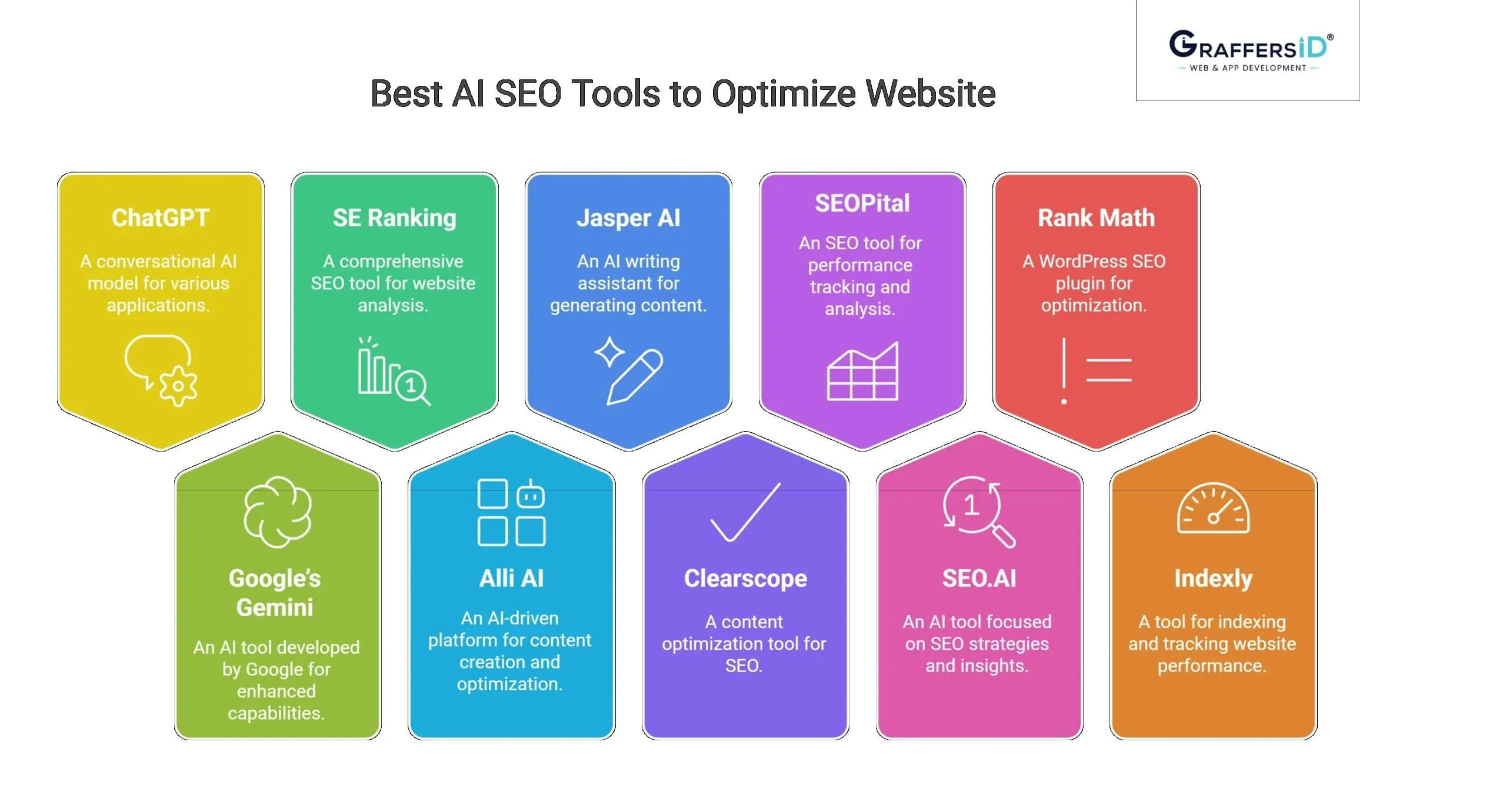
Some of the best AI SEO tools have revolutionized this landscape by combining automation with intelligence, creating unprecedented advantages for resource-constrained small businesses. These platforms leverage machine learning algorithms to process vast amounts of search data, identify patterns that human analysts might miss, and generate actionable insights in minutes rather than weeks.
The fundamental difference lies in scalability and accessibility. Where traditional SEO software required users to possess advanced technical skills and dedicate substantial time to data interpretation, the best AI SEO tools translate complex algorithms into user-friendly interfaces that provide clear, actionable recommendations.
This automation-plus-intelligence model creates a distinct small business advantage. Large corporations, despite their resources, often struggle with bureaucratic decision-making processes and lengthy approval chains that slow their ability to adapt quickly to search algorithm changes. Small businesses using the best AI tools for SEO can pivot strategies, implement optimizations, and capitalize on emerging opportunities with remarkable agility.
Furthermore, AI-powered platforms continuously learn and improve their recommendations based on performance data, creating a feedback loop that enhances effectiveness over time. This means small businesses aren’t just accessing static tools – they’re leveraging dynamic systems that become more powerful with consistent use.
Affordable Keyword Research at Scale
One of the most significant barriers small businesses faced in the pre-AI era was access to comprehensive keyword data. Enterprise platforms like Ahrefs and Semrush, while powerful, required substantial monthly investments that strained small business marketing budgets. Many of these platforms start at $139.95 monthly, placing them out of reach for businesses operating on tight margins.
Many of the best AI SEO tools have disrupted this pricing model by delivering enterprise-level keyword intelligence at a fraction of traditional costs. True AI tools for SEO are a cost-effective solution for small businesses and startups that may not have the resources to hire a dedicated SEO team. These platforms provide comprehensive long-tail keyword analysis, SERP intent evaluation, and competitor gap identification for monthly fees that often cost less than a single consultation with an SEO agency.
The strategic advantage extends beyond cost savings. AI-powered keyword research tools excel at identifying niche opportunities that larger brands often overlook. While big corporations typically target high-volume, highly competitive keywords, AI tools help small businesses discover valuable long-tail variations with lower competition but high conversion potential.
For example, instead of competing for broad terms like “digital marketing services,” AI tools might identify specific variations like “small business digital marketing automation” or “local SEO for family restaurants.” These niche keywords often demonstrate higher purchase intent and face less competition from major brands.
Advanced AI algorithms also analyze search patterns and seasonal trends to recommend optimal timing for keyword targeting campaigns. This temporal intelligence allows small businesses to capitalize on trending topics and seasonal opportunities before larger competitors recognize and respond to these market shifts.
The democratization of keyword research through AI has fundamentally shifted competitive dynamics. Small businesses now possess the same data-driven insights that previously gave large corporations insurmountable advantages in search visibility and organic traffic acquisition.
Automated Content Briefs and Outlines
Content creation represents perhaps the most resource-intensive aspect of effective SEO strategy. Big brands maintain dedicated content teams with specialized roles: strategists, writers, editors, and SEO specialists who collaborate to produce optimized content at scale. Small businesses, typically operating with lean teams where the owner wears multiple hats, have historically struggled to match this content velocity and consistency.
Many of the best AI tools for SEO have transformed this challenge by automating the most time-consuming aspects of content planning and creation. Modern AI platforms can generate comprehensive, optimized content briefs in minutes, complete with target keywords, suggested headings, competitor analysis, and strategic recommendations for content structure.
These automated briefs include critical SEO elements that manual content planning often missed: semantic keyword clusters, optimal content length recommendations, internal linking opportunities, and SERP feature targeting strategies. The result is content that’s strategically designed for search visibility before a single word is written.
AI for SEO content extends beyond basic outlines to include fully developed article structures, product descriptions, and landing page copy. Advanced platforms analyze top-performing content in specific niches and generate templates that incorporate proven elements while maintaining uniqueness and brand voice.
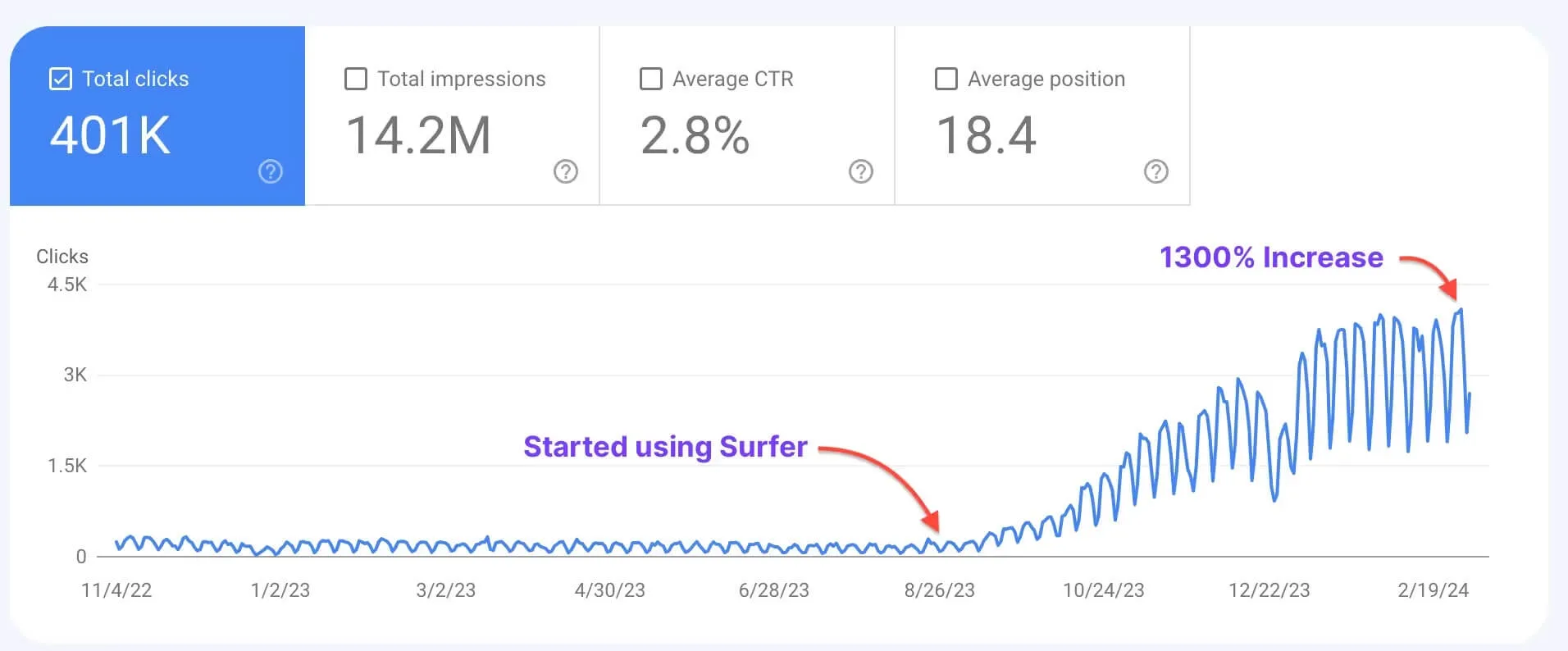
Case studies – we will have a look at a few later in this article – demonstrate impressive results from this approach. Airmason, with just a small content team and smart use of AI-powered topical clustering, grew traffic by 1300% in just 7 months. This type of exponential growth was previously achievable only through substantial content team investments that most small businesses couldn’t afford.
The efficiency gains are remarkable. Tasks that previously required hours of research and strategic planning now consume minutes of setup time, allowing small business owners to focus on high-value activities like customer engagement and business development rather than getting bogged down in content production logistics.
Additionally, AI-generated content briefs ensure consistency across all content pieces, maintaining brand voice and SEO optimization standards even when multiple team members contribute to content creation. This consistency is crucial for building topical authority and search engine trust over time.
Smarter SERP Tracking and Insights
Large corporations typically employ dedicated SEO analysts who continuously monitor search engine results pages (SERPs), track ranking fluctuations, analyze backlink profiles, and identify optimization opportunities. These specialists provide ongoing strategic guidance that keeps big brands competitive in rapidly evolving search environments.
Small businesses can now access equivalent analytical capabilities through AI tools for SEO that automate SERP tracking and provide intelligent insights without requiring analytical expertise. These platforms continuously monitor keyword rankings, identify ranking opportunities, and alert users to significant changes that require immediate attention.
Advanced AI algorithms go beyond basic rank tracking to provide strategic context for performance changes. Instead of simply reporting that rankings dropped, these tools analyze potential causes, suggest corrective actions, and prioritize optimization efforts based on traffic impact and competitive dynamics.
The automation extends to backlink analysis, where AI tools identify link-building opportunities by analyzing competitor backlink profiles and suggesting realistic targets for small business outreach campaigns. This competitive intelligence was previously available only through expensive enterprise tools or costly consultant engagements.
AI-powered insights also excel at identifying content gaps and optimization opportunities that manual analysis might miss. These systems analyze SERP features, competitor content strategies, and search intent signals to recommend specific improvements that can drive immediate ranking improvements.
Perhaps most importantly, AI tools adapt recommendations based on algorithm updates and search trend changes, ensuring small businesses remain current with SEO best practices without requiring constant industry monitoring or technical expertise.
The Best AI SEO Tools Help You Compete on Content Velocity
Content velocity – the speed at which businesses can produce high-quality, optimized content – has become a critical competitive factor in modern SEO. Big brands maintain significant advantages in this area, often publishing hundreds of articles monthly through their dedicated content teams.
This volume-based approach to SEO creates substantial barriers for small businesses that lack the resources to maintain consistent publishing schedules while ensuring content quality and optimization standards. Traditional content creation processes simply couldn’t scale to match corporate content production capabilities.
AI-powered tools have fundamentally changed this dynamic by enabling small businesses to publish content at five times their previous speed while maintaining or improving SEO quality standards. Advanced AI platforms can generate complete article drafts, optimize existing content for new keywords, and create supporting content pieces like FAQ sections and product descriptions in minutes rather than hours.
The scalability advantage extends beyond initial content creation to include ongoing optimization and repurposing. AI tools can analyze existing content performance and automatically suggest improvements, create derivative pieces for different platforms, and generate supporting content that enhances topical authority.
Following the implementation of SEO software, Rocky Brand experienced a 30% increase in search revenue, a 74% year-over-year (YoY) revenue growth, and a 13% increase in new users. These results demonstrate how AI-enabled content velocity can drive measurable business growth for smaller organizations.
Consistency becomes achievable through AI automation. Small businesses can maintain regular publishing schedules without the feast-or-famine content cycles that often characterize resource-constrained marketing efforts. This consistency is crucial for building search engine authority and maintaining audience engagement.
The quality-at-scale equation that AI tools enable allows small businesses to compete directly with larger organizations in content-heavy niches, leveling the playing field in ways that were impossible before artificial intelligence integration.
The Real Secret: Creativity + AI = Competitive Edge
While AI tools provide the foundation for competitive SEO performance, small businesses possess inherent advantages that, when combined with artificial intelligence, create formidable competitive edges that even well-resourced corporations struggle to match.
The most significant advantage lies in agility and responsiveness. Small businesses can implement new strategies, pivot content approaches, and capitalize on emerging opportunities with decision-making speed that larger organizations simply cannot replicate. When AI tools identify trending keywords or emerging search patterns, small businesses can create optimized content and capture market share before corporate competitors complete their approval processes.
Personal voice and authentic brand expression represent another crucial differentiator. AI tools provide the technical foundation for SEO success, but small businesses bring unique perspectives, personal experiences, and authentic customer relationships that create compelling content that resonates with target audiences in ways that corporate content often cannot.
Local market expertise combined with AI insights creates powerful competitive advantages. Small businesses understand their local markets, customer pain points, and industry nuances in ways that national brands rarely achieve. AI tools amplify this expertise by identifying how to translate local knowledge into content strategies that attract both local and broader audiences.
The entrepreneurial mindset that drives most small businesses – characterized by innovation, risk-taking, and customer-centric thinking – pairs exceptionally well with AI capabilities. While large corporations often use AI tools to optimize existing processes, small businesses frequently discover creative applications that generate breakthrough results.
Customer feedback integration represents another area where small businesses excel. Direct customer relationships provide insights that inform AI-powered content strategies, creating content that addresses real customer needs rather than theoretical market demands. This authenticity signals to search engines and users that the content provides genuine value.
The combination of AI efficiency and human creativity allows small businesses to operate with the technical sophistication of large corporations while maintaining the authentic voice and responsive service that customers increasingly prefer.
Case Studies: Small Business Success Stories
Real-world implementations of AI SEO strategies demonstrate the transformative potential for small businesses willing to embrace these technologies strategically. Here are a few:
Local Service Business Transformation
A family-owned HVAC company implemented AI-powered content creation and local SEO optimization tools to compete against national service chains. Within six months, their organic search traffic increased 280%, with local service calls rising 150%. The AI tools identified seasonal content opportunities and local keyword variations that larger competitors had overlooked, allowing the small business to dominate local search results during peak seasons.
E-commerce Niche Authority
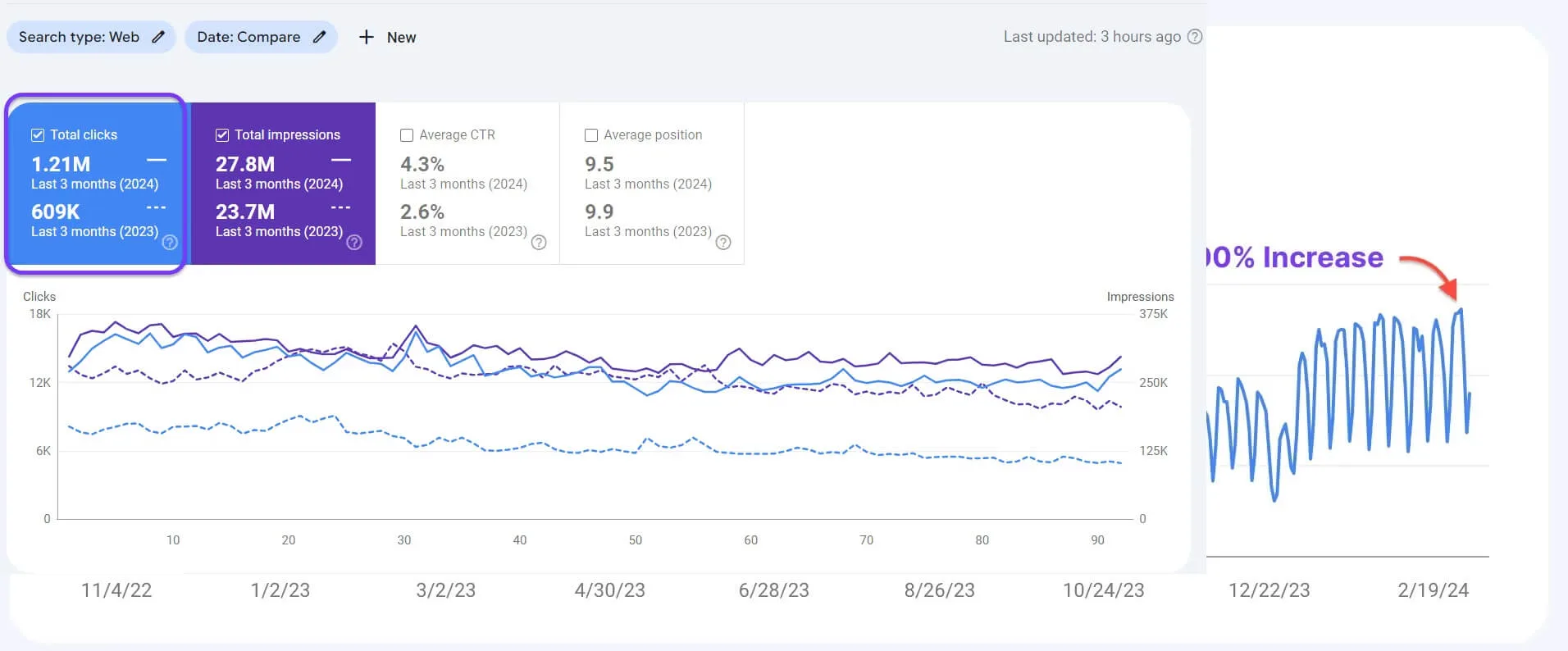
A Westco Marketing – a digital agency specializing in gaming and esports gaming – client scaled from $5K to $120K in sales using nothing but SEO and content. This transformation demonstrates how AI-powered content strategies can drive exponential revenue growth for small businesses in competitive niches. The key was using AI tools to identify content gaps and create comprehensive resources that established topical authority faster than traditional content approaches would allow.
Professional Services Growth
A boutique digital marketing consultancy used some of the best AI SEO tools to analyze competitor content strategies and identify underserved keywords in their niche. By creating AI-assisted content that addressed these gaps, they achieved first-page rankings for competitive terms within four months and doubled their client acquisition rate.
Affiliate Marketing Success
Affiliate sites hitting 400K visits demonstrate how AI-powered content creation and optimization can drive significant traffic growth for individual entrepreneurs competing against established brands. These results were achieved through strategic implementation of AI tools for keyword research, content creation, and ongoing optimization.
Despite some of them not having used traditional, old-school tools, these cases share common elements with the tools of today: strategic AI tool implementation, focus on underserved market segments, and rapid content creation capabilities that allowed small businesses to establish authority before larger competitors recognized the opportunities.
Overcoming Common AI SEO Concerns
Many small business owners express legitimate concerns about implementing AI SEO strategies, often based on misconceptions about technology limitations, cost implications, or potential risks to search engine rankings.
Quality Control Concerns
The fear that AI-generated content lacks quality or authenticity is often overblown when proper implementation strategies are followed. Modern AI tools serve as sophisticated writing assistants rather than content replacements. The most successful small businesses use AI for research, outlining, and initial draft creation, then apply human expertise for editing, brand voice integration, and quality assurance.
Google Penalty Fears
Search engines like Google evaluate content based on helpfulness, accuracy, and user value rather than creation method. AI-assisted content that provides genuine value to users and follows SEO best practices faces no inherent ranking penalties. The key is ensuring AI tools enhance rather than replace strategic thinking and editorial oversight.
Cost-Effectiveness Questions
Effective SEO doesn’t require expensive enterprise platforms. The affordable tools in this guide provide excellent value while delivering the features most small businesses actually need. Many powerful AI SEO tools offer free tiers or low-cost entry points that provide significant value for small business budgets.
Technical Complexity Misconceptions
Modern AI SEO tools are designed with user-friendly interfaces that require minimal technical expertise. Most platforms provide guided workflows, tutorials, and customer support that enable small business owners to achieve professional results without advanced technical skills.
Integration Challenges
Successful AI SEO implementation doesn’t require complete workflow overhauls. The most effective approach involves gradual integration, starting with specific tasks like keyword research or content outlining, then expanding usage as comfort and expertise develop.
As we have just seen in the points above, coupling the best AI SEO tools with a solid content workflow, can only lead to increased business performance, a bigger online presence, and increased profits.
Implementation Strategy for Small Businesses
Successful AI SEO implementation requires strategic planning rather than random tool adoption. Small businesses achieve optimal results by following structured approaches that maximize AI capabilities while maintaining focus on core business objectives.
Phase 1: Foundation Building
Begin with keyword research and competitive analysis using AI tools to identify immediate opportunities. Focus on understanding your market landscape and discovering content gaps that AI-assisted content creation can fill quickly.
Phase 2: Content Strategy Development
Implement AI tools for content brief creation and outline development. Start with topics where you possess expertise, allowing AI to enhance rather than replace your knowledge and insights.
Phase 3: Production Scaling
Gradually increase content production velocity using AI assistance while maintaining quality standards through human editorial oversight. Monitor performance metrics to identify what content types and topics drive the best results.
Phase 4: Advanced Optimization
Leverage the best AI SEO tools for ongoing SERP tracking, backlink analysis, and technical SEO optimization. Use performance data to refine strategies and identify new opportunities for growth.
Phase 5: Competitive Advantage
Combine AI efficiency with unique business insights to create content and strategies that larger competitors cannot easily replicate. Focus on building authentic authority in your niche while using AI to accelerate growth.
The bottom-line is that a good strategy combined with the implementation of the best AI SEO tools can only bring advantages to a business’ overall performance.
Measuring Success and ROI
Effective measurement of AI SEO implementation requires tracking both traditional SEO metrics and business-specific indicators that demonstrate return on investment.
Traffic and Ranking Metrics
Monitor organic search traffic, keyword ranking improvements, and SERP feature captures to gauge technical SEO success. AI tools typically provide dashboards that track these metrics automatically.
Business Impact Indicators
Track lead generation, sales conversions, and customer acquisition costs to understand how improved search visibility translates into business growth. These metrics often provide more meaningful ROI insights than pure SEO metrics.
Efficiency Measurements
Document time savings in content creation, research, and optimization activities to quantify the operational benefits of AI tool implementation. These efficiency gains often justify investments in some of the best AI SEO tools independently of search ranking improvements.
Competitive Position Analysis
Regular analysis of competitive rankings and market share helps evaluate whether AI SEO strategies are successfully closing gaps with larger competitors or creating new competitive advantages.
Even the best AI SEO tools need to be monitored and managed to ensure they perform at optimal capacity and continue to grow with the business’ expanding digital image.
Future-Proofing Your AI SEO Strategy
The rapid evolution of AI technology and search engine algorithms requires adaptive strategies that remain effective as the competitive landscape continues changing, ensuring your small business maintains its SEO advantages over time.
Staying Current with Algorithm Updates
AI SEO tools increasingly incorporate algorithm change detection and strategy adjustment capabilities. Choose platforms that provide ongoing updates and strategic guidance rather than static optimization recommendations.
Balancing Automation and Human Insight
The most successful long-term strategies combine AI efficiency with human creativity and strategic thinking. Avoid complete dependence on automated solutions while maximizing the leverage some of the best AI SEO tools provide.
Building Sustainable Competitive Advantages
Focus on developing unique content assets and market positioning that AI tools can enhance but competitors cannot easily replicate. Authentic expertise and customer relationships remain crucial differentiators.
Continuous Learning and Adaptation
Successful AI SEO implementation requires ongoing education about new tools, features, and best practices. Invest in learning resources and community participation to stay ahead of competitive curve.
Even though a business invests in the best AI SEO tools, it doesn’t mean it is a one-time, implement-and-forget strategy. As the business grows and its requirements to keep abreast of ever-changing search engine rules varies, it needs to keep building, adapting, and re-adjusting its SEO strategy.
Conclusion: The New Era of Competitive SEO
The transformation of SEO through artificial intelligence represents more than a technological upgrade – it’s a fundamental shift in how small businesses can compete effectively against resource-rich corporations. AI SEO tools don’t just help small businesses survive in competitive digital markets; they enable them to win by leveraging technology to overcome traditional resource constraints.
The evidence is compelling: small businesses that strategically implement the best AI SEO tools achieve traffic growth, revenue increases, and competitive positioning that would have been impossible without substantial team expansion and budget increases. Using AI for SEO provides a competitive advantage. As more businesses adopt AI for SEO, those who don’t risk falling behind.
The democratization of advanced SEO capabilities means that success increasingly depends on strategic implementation and creative application rather than budget size or team scale. Small businesses possess inherent advantages in agility, authenticity, and customer connection that, when amplified by AI tools, create formidable competitive positions.
The best AI SEO tools today aren’t just for big corporations with unlimited budgets. They’re powerful platforms that any small business can master to compete effectively, grow sustainably, and build market authority in ways that were previously impossible.
The question isn’t whether small businesses can afford to implement many of the best AI SEO tools – it’s whether they can afford not to. The competitive advantages these tools provide will only increase as the technology continues evolving and more businesses recognize their transformative potential.
For small businesses ready to level the playing field, the opportunity has never been greater. Most of the best AI SEO tools provide the foundation for competitive success, but the creativity, agility, and customer focus that small businesses naturally possess will determine who ultimately wins in this new era of search engine optimization.
Ready to transform your content strategy and compete with industry leaders? Try WebsiteContentWriters.org’s AI-powered content generator to create SEO-optimized content instantly. Start with our free tool and discover how AI can accelerate your small business growth through strategic content creation.
Frequently Asked Questions About the Best AI SEO Tools
Let us have a look at some of the questions regularly asked about some of the best AI SEO tools on the market today:
Q: Are AI SEO tools really effective for small businesses with limited budgets?
A: Yes, AI SEO tools are particularly beneficial for budget-conscious small businesses because they provide enterprise-level capabilities at affordable price points. Many platforms offer free tiers or low-cost plans that deliver significant value. The key is choosing tools that match your specific needs rather than paying for unnecessary features. Small businesses often see faster ROI from using the best AI SEO tools tools than larger companies because they can implement changes quickly and focus on high-impact optimizations.
Q: Will using AI-generated content hurt my search engine rankings?
A: No, using AI tools for content creation won’t negatively impact your rankings when implemented properly. Search engines evaluate content based on helpfulness, accuracy, and user value, not the method used to create it. The most successful approach combines AI efficiency for research, outlining, and initial drafts with human oversight for editing, fact-checking, and brand voice integration. Quality and relevance remain the primary ranking factors, regardless of whether AI assists in the creation process.
Q: How long does it typically take to see results from AI SEO implementation?
A: Results vary depending on your starting point and implementation strategy, but most small businesses see initial improvements within 2-3 months of consistent usage of some of the best AI SEO tools. Quick wins often appear in the first month through improved content optimization and keyword targeting, while more significant traffic and ranking improvements typically emerge after 3-6 months of sustained effort. The key is maintaining consistency and continuously optimizing based on performance data that AI tools provide.