
The digital marketing landscape has undergone a seismic shift, and businesses that fail to adapt are being left behind. With 13.14 percent of all queries now triggering AI Overviews and 75 percent of marketers leveraging AI to reduce the time spent on manual tasks like keyword research and meta-tag optimization, the question isn’t whether you need AI SEO software—it’s which best AI SEO software solution will give your business the competitive edge it needs to thrive.
In this comprehensive guide, we’ll explore everything you need to know about selecting the best AI SEO software for your specific needs, from understanding the latest market trends to evaluating the essential features that separate industry leaders from pretenders.
What Is AI SEO Software and Why It’s Revolutionizing Content Marketing
Best AI SEO software represents the convergence of artificial intelligence and search engine optimization, creating powerful platforms that automate and enhance every aspect of content creation and optimization. These sophisticated tools don’t just help you write faster—they help you write smarter, with content that resonates with both search engines and human readers.
The transformation is profound. Traditional SEO required hours of manual keyword research, competitor analysis, and content optimization. Today’s best AI SEO software solutions can accomplish these tasks in minutes while providing insights that would take human analysts days to uncover.
Modern AI content for SEO platforms leverage natural language processing (NLP), machine learning algorithms, and real-time search data to create content that doesn’t just rank—it converts. They understand search intent, semantic relationships between keywords, and the subtle nuances that separate high-performing content from the countless articles that never see page one of Google.
This shift has created unprecedented opportunities for businesses of all sizes. In fact, 52 percent of SEO professionals have noticed performance improvement from using AI for on-page SEO, indicating that the technology has moved beyond experimental to essential for competitive digital marketing.
The Current State of AI SEO: Market Trends Shaping 2025
The AI SEO software market is experiencing explosive growth, driven by several key trends that are reshaping how businesses approach content marketing and search optimization.
The Rise of Conversational Search and Voice Optimization
With the rise of voice search technologies and the increasing importance of conversational search queries, AI-powered Natural Language Processing (NLP) algorithms will play a crucial role in optimizing content for voice search. This means the best AI SEO software must now optimize for how people actually speak, not just how they type.
Smart businesses are already adapting their content strategies to accommodate longer, more conversational queries. The best AI SEO software solutions now include features that help identify and optimize for these natural language patterns, ensuring your content appears in voice search results and conversational AI responses.
AI Overviews Are Changing the Search Landscape
Google’s AI Overviews represent one of the most significant changes to search results in decades. The most important SEO trends for 2025 center around adapting to the proliferation of AI Overviews and AI answer engines, shifting focus from traffic metrics to conversion quality. This shift means the best AI SEO software must help you create content that not only ranks but also gets featured in these AI-generated summaries.
The Fragmentation of Search Behavior
Search isn’t a platform. It’s a behavior – and it’s fracturing across AI, social, and SERPs. Modern consumers are discovering content through ChatGPT, Perplexity, social media platforms, and traditional search engines. The best AI SEO software needs to optimize content for this multi-platform discovery environment.
Quality Over Quantity: The New Content Paradigm
It should be noted that 35 percent of companies use AI to create SEO-driven content strategies, but the focus has shifted dramatically toward quality and conversion optimization rather than pure volume. The best AI SEO software solutions now prioritize creating fewer, higher-impact pieces that drive meaningful business results.
Who Needs the Best AI SEO Software in 2025?
The democratization of AI technology means that virtually any business or individual creating web content can benefit from the best AI SEO software. However, certain groups see particularly dramatic improvements:
Small Business Owners and Entrepreneurs often lack the resources for large marketing teams but need to compete with established players in their market. The best AI SEO software levels the playing field by providing enterprise-level capabilities at accessible price points.
Content Marketing Teams juggling multiple clients or projects find that AI content for SEO tools dramatically increase their output while maintaining quality. These teams can now handle 3-5x more content projects without expanding their workforce.
Freelance Writers and Agencies use the best AI SEO software to differentiate their services and deliver better results to clients. The ability to provide comprehensive keyword research, content optimization, and performance tracking in one platform creates significant competitive advantages.
E-commerce Businesses with hundreds or thousands of product pages benefit enormously from AI-powered content generation that can create unique, optimized descriptions at scale while maintaining brand consistency.
Bloggers and Niche Site Owners who depend on organic traffic for revenue find that the best AI SEO software helps them identify and capitalize on content opportunities they might otherwise miss.
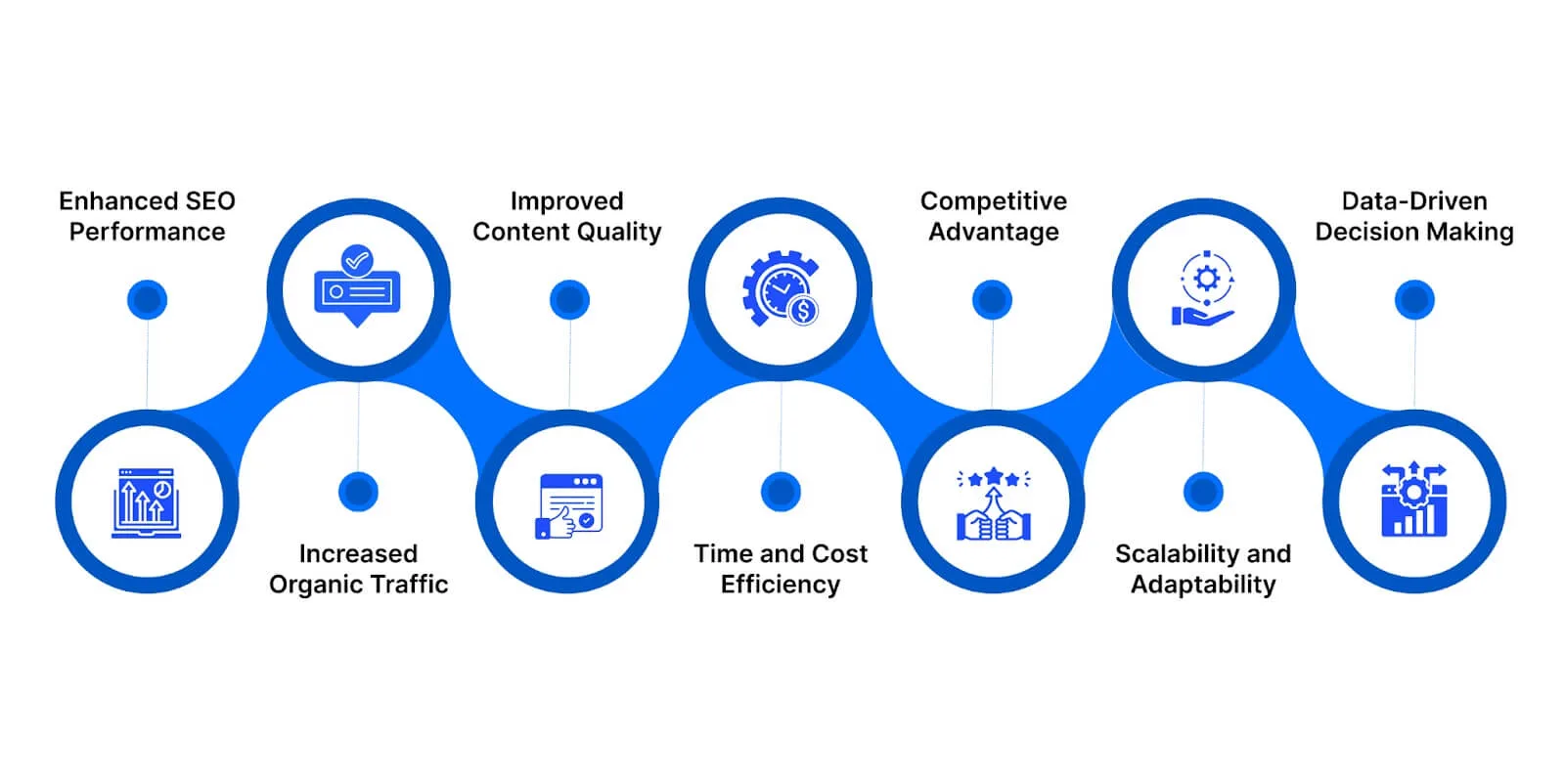
Essential Features Every Best AI SEO Software Must Have
Choosing the best AI SEO software requires understanding which features truly impact your content’s performance and which are merely nice-to-have additions. Based on extensive market research and user feedback, here are the non-negotiable capabilities:
Advanced Keyword Research with Competitive Intelligence
The foundation of any effective SEO strategy remains keyword research, but the best AI SEO software goes far beyond simple search volume metrics. Modern platforms should provide:
Semantic Keyword Clustering that identifies related terms and concepts Google associates with your primary keywords. This helps create comprehensive content that covers topics thoroughly rather than focusing on isolated keywords.
Search Intent Analysis that categorizes keywords by user intent—informational, navigational, commercial, or transactional. This ensures your content aligns with what searchers actually want to accomplish.
Competitive Gap Analysis showing which keywords your competitors rank for that you don’t, along with difficulty assessments and traffic potential estimates.
Long-tail Keyword Discovery with real search volume data and competition metrics. Long-tail keywords often have higher conversion rates and lower competition, making them particularly valuable for smaller businesses.
The best AI SEO software platforms integrate this research directly into their content generation workflows, ensuring that every piece of content is built on a foundation of solid keyword intelligence.
Intelligent Content Structure and Formatting
Google’s algorithms increasingly favor well-structured, scannable content that provides clear value to users. The best AI SEO software should automatically implement:
Hierarchical Heading Structure using proper H1, H2, and H3 tags that create logical content flow while incorporating target keywords naturally.
Featured Snippet Optimization that formats content to increase the likelihood of appearing in position zero results, which often get selected for AI Overviews.
Schema Markup Integration that helps search engines understand your content’s context and purpose, improving rich snippet opportunities.
Readability Optimization that ensures content meets accessibility guidelines while maintaining engagement for your target audience.
Modern platforms that qualify as the best AI SEO software make these optimizations automatic rather than requiring manual implementation, saving hours of technical SEO work.
Dynamic Audience and Tone Adaptation
One-size-fits-all content rarely performs well in today’s personalized web environment. The best AI SEO software platforms provide sophisticated audience targeting capabilities:
Audience Persona Integration that adjusts vocabulary, examples, and content depth based on your target demographic’s expertise level and interests.
Brand Voice Consistency ensuring all generated content maintains your established tone and messaging across different topics and content types.
Industry-Specific Optimization that incorporates relevant terminology, trends, and concerns specific to your market sector.
Geographic and Cultural Adaptation for businesses serving multiple markets or regions with different search behaviors and preferences.
This level of customization ensures that your AI content for SEO feels authentically connected to your brand rather than generic or obviously automated.
Comprehensive Post-Generation Editorial Tools
Creating initial content is just the beginning. The best AI SEO software platforms include robust editing and optimization features:
Intelligent Rewriting that can adjust content for different purposes—making technical content more accessible, expanding brief sections, or condensing verbose passages while maintaining SEO value.
Keyword Density Optimization with tools that naturally integrate additional semantic keywords without creating awkward or spammy-sounding text.
Content Expansion Features that can add depth to existing sections, include relevant examples, or address related questions your audience might have.
A/B Testing Integration allowing you to test different headlines, introductions, or calls-to-action to optimize for both search performance and user engagement.
These editing capabilities ensure that your content can evolve and improve over time rather than remaining static after initial publication.

Workflow Management and Collaboration Features
Modern content creation rarely happens in isolation. The best AI SEO software platforms facilitate teamwork and project management:
Content Calendar Integration that helps plan and schedule content publication across multiple channels and time zones.
Version Control and Approval Workflows ensuring that content goes through appropriate review processes before publication.
Team Collaboration Tools including comment systems, task assignments, and progress tracking for larger content teams.
Integration with Popular Platforms like Google Docs, Slack, WordPress, and other tools your team already uses daily.
These workflow features become increasingly important as your content operation scales beyond individual contributors to team-based production.
Analytics and Performance Tracking
The best AI SEO software doesn’t just help create content—it helps you understand how that content performs and improve future efforts:
Search Ranking Monitoring that tracks your content’s performance for target keywords over time.
Traffic and Engagement Analytics showing how users interact with your AI-generated content compared to manually created pieces.
Conversion Tracking connecting content performance to actual business outcomes like lead generation or sales.
Competitive Benchmarking comparing your content’s performance against similar pieces from competitors in your space.
This data-driven approach ensures that your content strategy improves continuously rather than relying on guesswork or assumptions.
Evaluating the Current Best AI SEO Software Options
The market for AI SEO tools has exploded, with dozens of platforms claiming to offer the best AI SEO software experience. Here’s an honest assessment of the current landscape:
Enterprise-Level Platforms
Semrush with AI Features has evolved from a traditional SEO tool into a comprehensive AI-powered platform. Semrush Copilot provides personalized SEO recommendations and integrates AI content generation with their extensive keyword database. However, the learning curve is steep and pricing can be prohibitive for smaller businesses.
Surfer SEO remains popular for its real-time content scoring and SERP analysis features. Their AI writing capabilities have improved significantly, though they’re still primarily focused on optimization rather than complete content creation.
seoClarity positions itself as an all-in-one solution with AI assistant capabilities. seoClarity is about as close to an all-in-one tool as it gets. With a wide range of both general SEO and content optimization features and an AI assistant, it can likely replace several other tools for many users.
Specialized Content Generation Tools
ContentShake AI focuses specifically on SEO-friendly content creation. ContentShake AI starts at $60 per month. This includes 5 SEO articles per month and 25 new content ideas per week. Their built-in image generation and content ideation features make it attractive for content-focused teams.
Jasper AI provides excellent writing capabilities with flexible tone options but lacks the comprehensive SEO research and optimization features that make software truly qualify as the best AI SEO software.
Frase excels at topic clustering and content briefing but doesn’t provide the end-to-end workflow management that growing businesses need.
The Integration Challenge
Most current platforms excel in one or two areas but require users to cobble together multiple tools to achieve comprehensive AI content for SEO workflows. This fragmentation creates several problems:
Increased Costs from paying for multiple subscriptions with overlapping features.
Workflow Inefficiencies from moving content and data between different platforms.
Inconsistent Quality when different tools have different AI models or optimization approaches.
Learning Curve Multiplication as team members must master multiple interfaces and workflows.
The best AI SEO software solutions address these challenges by providing comprehensive capabilities within unified platforms.
What Makes Software Truly the “Best AI SEO Software”
After evaluating dozens of platforms and analyzing thousands of user reviews, several criteria separate the best AI SEO software from adequate solutions:
Comprehensive Feature Integration
Rather than excelling in one area while neglecting others, the best AI SEO software provides robust capabilities across the entire content creation and optimization workflow. This includes keyword research, content generation, optimization, collaboration, and performance tracking in a single, cohesive platform.
Scalability and Flexibility
Growing businesses need software that can evolve with their needs. The best AI SEO software offers multiple tiers of functionality, allowing users to start with basic features and add advanced capabilities as their requirements expand.
Quality of AI-Generated Content
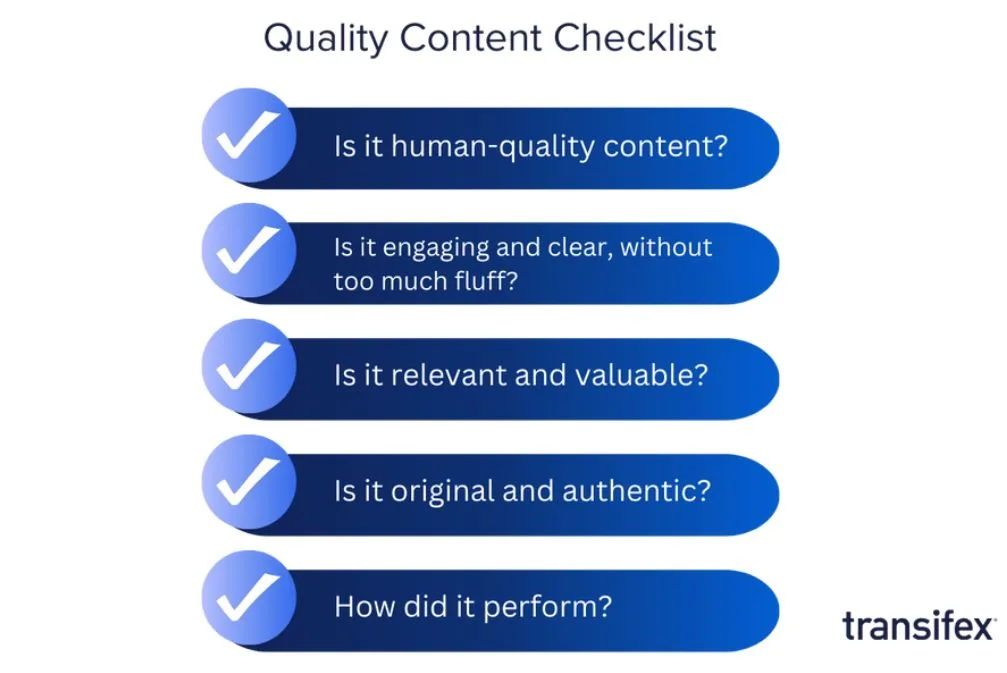
Not all AI writing is created equal. The best AI SEO software produces content that reads naturally, incorporates keywords organically, and provides genuine value to readers rather than simply filling space with keyword-stuffed text.
User Experience and Learning Curve
Sophisticated functionality doesn’t have to mean complicated interfaces. The best AI SEO software makes advanced features accessible to users regardless of their technical expertise level.
Integration Capabilities
Modern businesses use multiple tools for different aspects of their operations. The best AI SEO software integrates seamlessly with popular platforms like WordPress, Google Analytics, Slack, and content management systems.
Value for Investment
While the cheapest option isn’t always the best, the best AI SEO software provides clear return on investment through improved search rankings, increased content production efficiency, and better conversion rates.
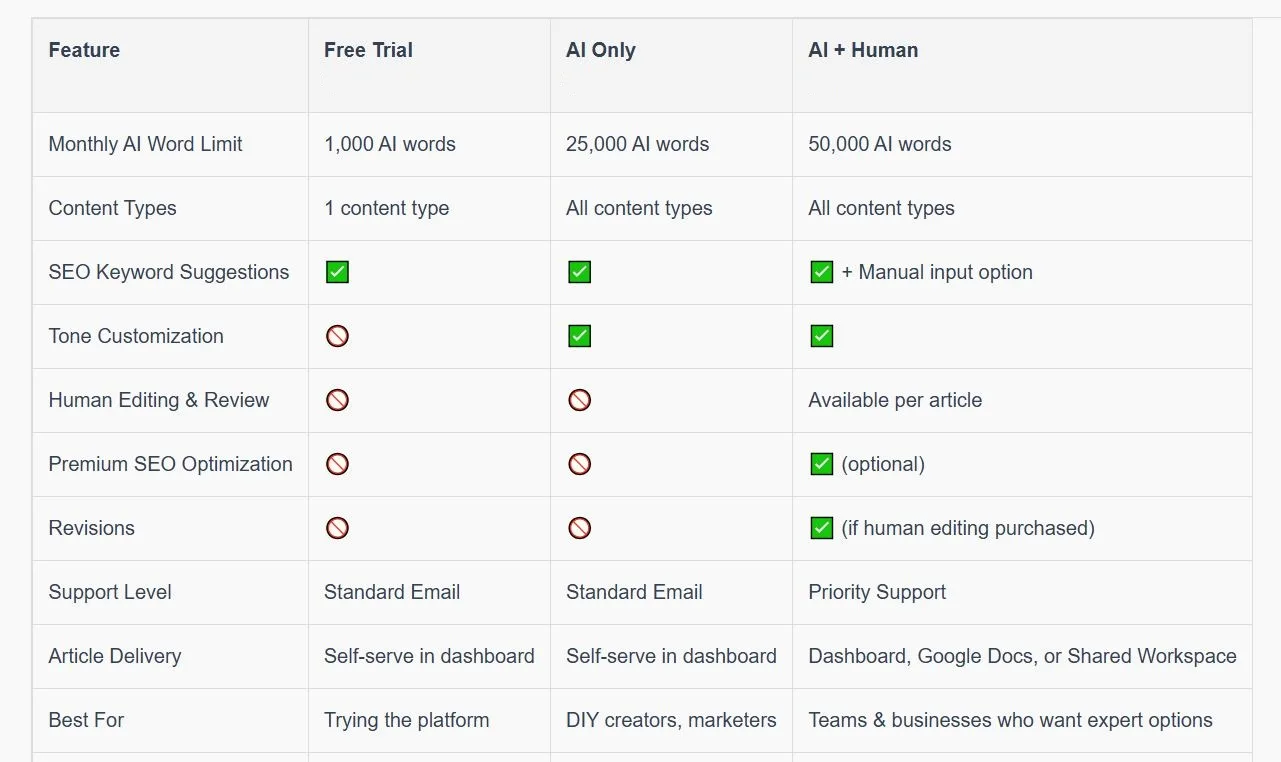
The Three-Tier Approach to AI SEO Software
Based on extensive market analysis, the most effective best AI SEO software platforms organize their features into progressive tiers that accommodate different user needs and growth stages:
Tier 1: Foundation Features for Getting Started
Entry-level functionality should include basic AI content generation with essential SEO considerations. Users should be able to specify their target audience, desired tone, article titles, and primary keywords. This tier serves as an introduction to AI content for SEO while providing immediate value.
Effective Tier 1 features eliminate the blank page problem that paralyzes many content creators. By providing structured prompts and automated optimization, even beginners can produce SEO-friendly content that ranks competitively.
Tier 2: Advanced Optimization and Management Tools
The second tier adds sophisticated keyword research capabilities, SEO title suggestions, content structure controls, and saved content access. Users can also access rewriting, expansion, and editing tools that refine AI-generated content for specific purposes.
This tier transforms casual users into strategic content creators by providing the research and optimization tools previously available only to SEO professionals. The ability to save and iterate on content enables more sophisticated content strategies.
Tier 3: Complete Content Workflow Management
The highest tier provides end-to-end content workflow management, including AI draft generation, human editing integration through platforms like Google Docs and Slack, optional CMS publishing, deadline tracking, and downloadable content delivery.
This comprehensive approach addresses the needs of professional content teams and agencies that require sophisticated project management alongside content creation capabilities. The integration of human editing ensures that AI-generated content meets the highest quality standards while maintaining efficiency.
Implementation Strategy: Getting the Most from Your AI SEO Software
Selecting the best AI SEO software is only the first step. Successful implementation requires a strategic approach that maximizes the platform’s capabilities while avoiding common pitfalls.
Start with Clear Content Goals
Before diving into content creation, define specific objectives for your AI content for SEO efforts. Are you trying to increase organic traffic, improve search rankings for specific keywords, generate more leads, or establish thought leadership in your industry?
Clear goals help you choose appropriate features and measure success accurately. They also guide content topics and optimization priorities, ensuring that your AI-generated content supports broader business objectives.
Develop Content Templates and Guidelines
While AI can generate content quickly, consistency requires establishing templates and guidelines that ensure all output aligns with your brand voice and quality standards.
Create detailed audience personas, tone guidelines, and content structure preferences. Most best AI SEO software platforms allow you to save these preferences, ensuring consistent output across different content pieces and team members.
Integrate Human Oversight and Editing
AI-generated content performs best when combined with human insight and editing. Establish review processes that catch potential issues while preserving the efficiency benefits of automated content creation.
Consider implementing staged review processes where initial AI output gets reviewed for accuracy and brand alignment before publication. This hybrid approach combines AI efficiency with human judgment.
Monitor Performance and Iterate
The best AI SEO software platforms provide analytics and performance tracking features. Use this data to identify which types of content perform best and adjust your approach accordingly.
Pay attention to both search engine metrics (rankings, traffic) and user engagement metrics (time on page, bounce rate, conversions). This comprehensive view helps optimize for both search visibility and business results.
Case Study: Small Business Success with AI SEO Software
Consider the experience of Digital Marketing Solutions, a boutique agency serving local businesses. Before implementing comprehensive AI SEO software, they struggled to provide consistent, high-quality content for multiple clients while maintaining profitability.
Their manual content creation process required 8-12 hours per article when including keyword research, writing, and optimization. This limited them to serving 3-4 clients effectively while maintaining quality standards.
After implementing a comprehensive best AI SEO software solution with tiered features, they transformed their operations:
Efficiency Gains: Content creation time dropped to 2-3 hours per article, including research, generation, and human editing. This 70 percent time reduction allowed them to serve 12 clients without expanding their team.
Quality Improvements: AI-generated content incorporated comprehensive keyword research and semantic optimization that their human writers often missed. Client content began ranking for additional long-tail keywords without specific targeting.
Scalability: The three-tier system allowed them to offer different service levels. Basic clients received Tier 1 content generation, while premium clients got full workflow management with human editing and publishing services.
Results: Within six months, client websites showed an average 150 percent increase in organic traffic and 89 percent improvement in target keyword rankings. Client retention improved to 95 percent as results became more predictable and impressive.
This case demonstrates how the best AI SEO software can transform business operations beyond simple content creation, enabling service expansion and improved client outcomes.
Future-Proofing Your AI SEO Software Investment
The AI landscape evolves rapidly, making it essential to choose best AI SEO software that adapts to changing requirements and maintains relevance over time.
Algorithm Adaptability
Search engine algorithms continue evolving, with AI and machine learning playing increasingly important roles in ranking decisions. The best AI SEO software platforms continuously update their optimization strategies based on the latest algorithm changes and search engine guidelines.
Look for platforms that demonstrate consistent updates and improvements rather than static feature sets. Regular platform evolution indicates ongoing investment in staying current with search engine requirements.
Multi-Platform Optimization
As search behavior fragments across traditional search engines, AI answer engines, and social platforms, the best AI SEO software must optimize content for multiple discovery channels simultaneously.
Choose platforms that consider content performance across Google, Bing, ChatGPT, Perplexity, and other emerging search interfaces. This multi-platform approach ensures your content remains discoverable regardless of how search behavior evolves.
Integration Ecosystem Growth
Your technology stack will continue evolving as new tools and platforms emerge. The best AI SEO software should integrate with current tools while providing APIs and integration capabilities for future additions.
Consider platforms that actively develop new integrations and partnerships rather than operating in isolation. This ecosystem approach ensures long-term compatibility with your evolving business needs.
Pricing Considerations for AI SEO Software
Understanding the true cost of best AI SEO software requires looking beyond monthly subscription fees to consider total cost of ownership and return on investment.
Direct Costs vs. Hidden Expenses
While basic subscription costs are obvious, consider additional expenses like training time, integration costs, and potential need for supplementary tools.
Some platforms appear affordable but require additional subscriptions for essential features like keyword research or analytics. The best AI SEO software provides comprehensive functionality within clearly defined pricing tiers.
ROI Calculation Framework
Measure AI SEO software ROI by considering both cost savings and revenue improvements:
Cost Savings: Calculate time saved on content creation, keyword research, and optimization tasks. Multiply saved hours by your team’s hourly rates to determine direct cost savings.
Revenue Improvements: Track increases in organic traffic, lead generation, and sales attributable to improved content performance. Even modest improvements often justify software costs quickly.
Scalability Benefits: Consider how the software enables business growth that wouldn’t be possible with manual processes. The ability to serve more clients or target more keywords often provides the highest ROI.
Investment vs. Expense Mindset
Treat best AI SEO software as a business investment rather than an operational expense. Quality platforms pay for themselves through improved efficiency and results while enabling business growth that justifies ongoing costs.
Consider the competitive disadvantage of not using AI tools as your competitors adopt them. In many industries, AI SEO software has moved from optional to essential for maintaining competitive positioning.
Making the Right Choice: Your Next Steps
The AI revolution in SEO isn’t coming—it’s here. Businesses that adapt quickly gain significant competitive advantages, while those that delay face increasingly difficult catch-up challenges.
The best AI SEO software provides the tools you need to compete effectively in 2025’s AI-driven search landscape. From small business owners creating their first blog posts to agencies managing hundreds of client projects, the right platform transforms content creation from a bottleneck into a competitive advantage.
When evaluating your options, prioritize platforms that offer:
- Comprehensive feature integration rather than point solutions
- Scalable pricing that grows with your business
- Quality AI content generation with human oversight capabilities
- Strong integration ecosystem for long-term compatibility
- Proven track record of consistent updates and improvements
Don’t let another day pass watching competitors gain ground with superior content strategies. The best AI SEO software can revolutionize your content creation, improve your search rankings, and drive the organic traffic growth your business deserves.
Frequently Asked Questions About Choosing the Best AI SEO Software
How do I know if AI SEO software is actually improving my search rankings compared to manually written content?
The best AI SEO software platforms provide comprehensive analytics that track your content’s performance across multiple metrics. Look for improvements in target keyword rankings, organic traffic growth, and user engagement metrics like time on page and bounce rate.
Most businesses see measurable improvements within 30-60 days of implementing quality AI SEO software. However, the key is choosing a platform that combines AI generation with proper keyword research, semantic optimization, and content structure—not just basic text generation.
Track both search engine metrics and business outcomes like lead generation or sales conversions. The best AI SEO software should improve not just rankings but also the quality of traffic and its conversion potential.
Free AI writing tools typically provide basic text generation without SEO optimization, keyword research, or content strategy features. They’re useful for overcoming writer’s block but don’t address the comprehensive needs of effective SEO content creation.
Premium best AI SEO software platforms integrate keyword research, competitor analysis, content optimization, and performance tracking into unified workflows. They also provide features like content structure control, semantic keyword integration, and collaboration tools that free options lack.
The investment in quality AI SEO software typically pays for itself quickly through improved search performance and increased content creation efficiency. Consider it a business investment rather than an expense, especially when platforms offer free entry tiers that let you experience the benefits before upgrading.
Can AI SEO software really replace human writers, or do I still need human oversight?
The best AI SEO software doesn’t replace human creativity and strategic thinking—it amplifies it. AI excels at research, optimization, and initial content generation, while humans provide strategic direction, brand voice consistency, and quality assurance.
The most successful content strategies use AI for efficiency while maintaining human oversight for quality and authenticity. Many platforms specifically integrate human editing workflows because this hybrid approach produces the best results.
Consider AI SEO software as a powerful tool that handles time-consuming research and optimization tasks, freeing humans to focus on strategy, creativity, and relationship building with audiences. This combination typically produces better results than either approach alone while maintaining the scalability benefits of AI automation.
How long does it take to see results from AI SEO software implementation?
Timeline for results varies depending on your starting point and implementation approach, but most businesses see initial improvements within 30-90 days. The best AI SEO software can produce immediate efficiency gains in content creation, often reducing production time by 60-80 percent.
Search ranking improvements typically appear within 60-90 days for new content, though this depends on keyword competitiveness and domain authority. The key is consistent, quality content production rather than expecting overnight transformation.
Focus on leading indicators like content production volume, keyword targeting accuracy, and content quality scores before expecting trailing indicators like traffic and rankings to improve.
What should I do if my current content team is resistant to using AI SEO software?
Change management is crucial for successful AI SEO software adoption. Start by emphasizing that the best AI SEO software enhances human capabilities rather than replacing them. Position AI as a tool that eliminates tedious tasks like keyword research and initial draft creation, allowing team members to focus on strategic and creative work.
Begin with a pilot program using volunteers or early adopters rather than mandating platform-wide adoption. Demonstrate clear benefits through improved efficiency and results before expanding usage to reluctant team members.
Provide comprehensive training and support during the transition period. Most resistance stems from fear of the unknown rather than actual platform limitations. Once team members experience the efficiency and quality benefits firsthand, adoption typically accelerates rapidly.